
Knowledge & brewing
How to compare two espressos.
A tasting becomes more useful when we know what to observe. Two cups, a little time and a few notes are enough to start a meaningful conversation about flavour.
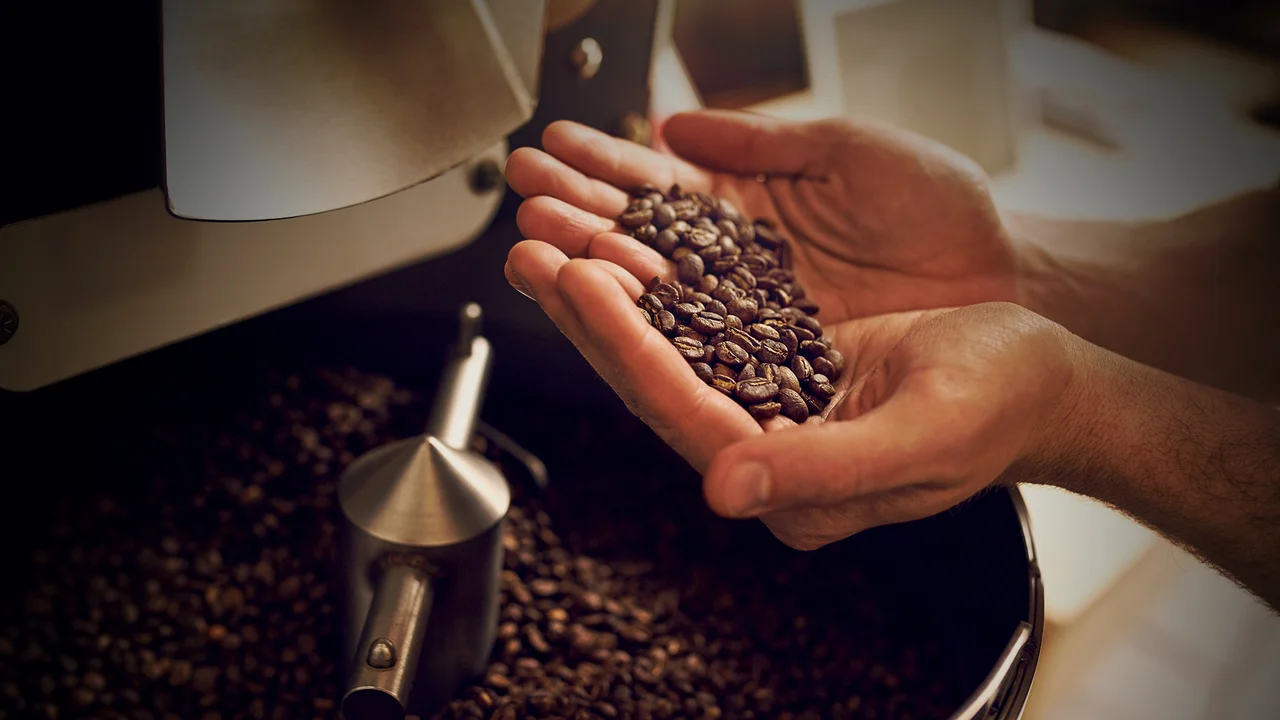
Set up your comparison.
Choose two coffees and note which is in each cup. Use the same brewing method and the same cups. Record the dose, beverage yield and settings so you can repeat the process.
If you are tasting professional blends, ask for guidance on preparing each one. Getting to know a coffee and assessing it for your own menu are two steps worth discussing together.
Put what you notice into words.
Start with the aroma. Does it suggest chocolate, nuts, fruit or something else? Then notice the mouthfeel: how would you describe the body and texture?
Note your own impressions of sweetness, acidity and bitterness. Take more than one sip and notice what lingers in the aftertaste. Simple, personal descriptions are more useful than a list of terms that do not reflect your experience.
Compare with a particular use in mind.
Once you have tasted the coffees as espresso, try them in the drink that matters most to you. If you are choosing for a menu, include the drinks you serve daily and ask your team for their views.
Divide your notes into two questions: What did I notice? and What did I prefer? This keeps your descriptions specific and separates the coffee's characteristics from your personal choice.
Keep a small tasting record.
The coffee's name, date, preparation and a few words on aroma, body and aftertaste make a useful record. Return to your notes when you taste the same coffee again and discuss what you notice. Familiarity grows through tasting.